




Cystitis is a common inflammatory condition of the bladder, most often associated with bacterial infection but frequently influenced by additional factors such as pelvic muscle tension, impaired circulation, lymphatic congestion, and chronic stress. Common cystitis symptoms include frequent urination, burning sensation during urination, lower abdominal discomfort, and changes in urine appearance or odor.
Table of Contents
In cases of recurrent or chronic cystitis, conventional treatment alone may not fully address the underlying contributors. This has led to growing interest in integrative approaches that support bladder health by improving pelvic function and circulation, alongside medical care.
Pelvic Circulation and Chronic Cystitis
Adequate blood circulation plays a crucial role in tissue repair and immune defense within the urinary system. Poor pelvic circulation may limit oxygen and nutrient delivery to bladder tissues, slowing recovery from inflammation associated with cystitis.
Traditional pelvic therapies, including Karsai massage, are designed to stimulate blood flow in the lower abdomen and pelvic region. From a physiological perspective, improved circulation may help:
- Reduce inflammatory stagnation around the bladder
- Support tissue healing
- Enhance immune response in the urinary tract
These mechanisms align with integrative medicine models that view cystitis as a condition influenced by systemic circulation, not infection alone.
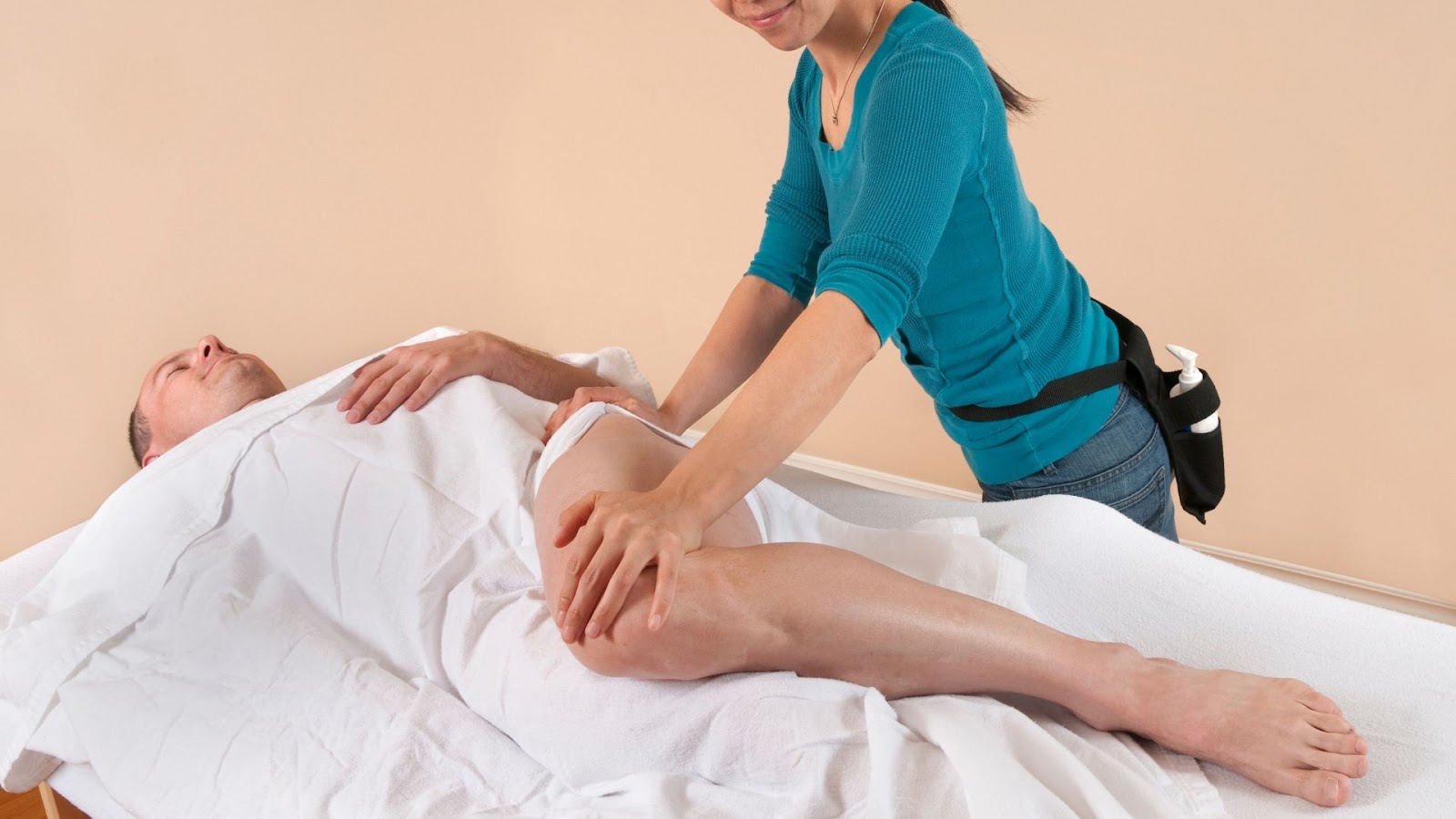
Pelvic Floor Tension, Scar Tissue, and Cystitis Symptoms
Pelvic floor muscle dysfunction is increasingly recognized as a contributing factor in chronic cystitis. Excessive muscle tension may place continuous pressure on the bladder, intensifying urgency and discomfort. In some individuals, scar tissue from surgery, childbirth, or repeated inflammation can further restrict normal tissue movement.
Manual pelvic therapies such as Karsai massage focus on releasing deep muscular tension and improving tissue mobility. By reducing mechanical stress in the pelvic region, these techniques may help alleviate functional contributors to ongoing cystitis symptoms.
Lymphatic Drainage and Inflammation Control in Cystitis
The lymphatic system plays an essential role in removing inflammatory waste products. When lymphatic flow in the pelvic region is compromised, inflammation linked to cystitis may persist.
Techniques used in Karsai massage aim to stimulate lymphatic drainage in the lower abdomen and pelvic area. Supporting lymph flow may assist the body’s natural detoxification processes and reduce the frequency of inflammation-related flare-ups in individuals prone to recurrent cystitis.
Stress, Nervous System Regulation, and Cystitis
Stress is a well-documented trigger for cystitis exacerbation. Chronic stress can dysregulate the autonomic nervous system, increasing bladder sensitivity and weakening immune balance.
Relaxation-focused therapies, including Karsai massage, encourage parasympathetic nervous system activation. This shift supports tissue repair, inflammation control, and overall urinary system stability—factors that are especially relevant for stress-sensitive cystitis cases.on-invasive, drug-free therapy that complements these conventional strategies, offering a holistic pathway to relief.
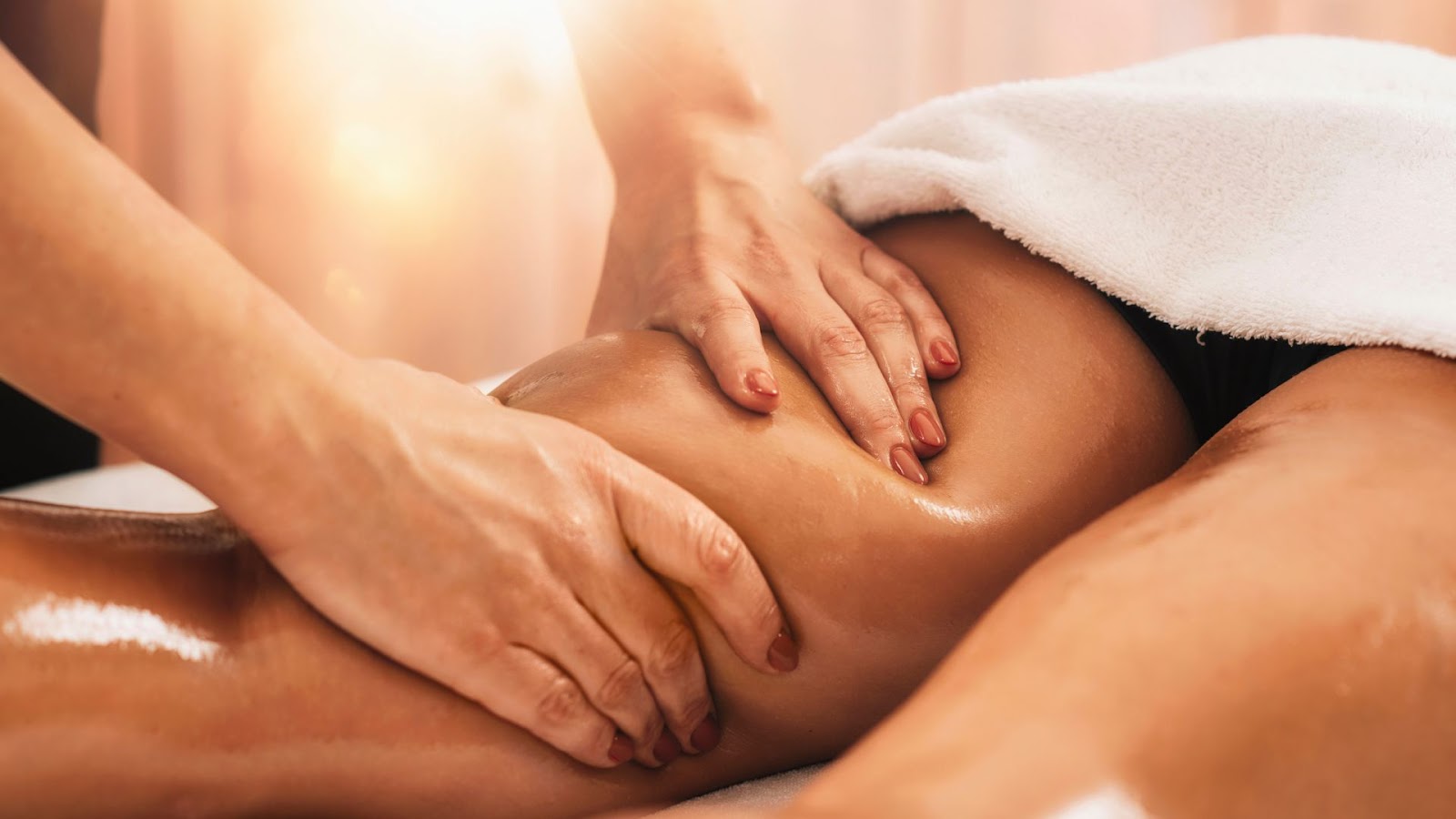
Integrating Karsai Massage with Medical Cystitis Care
While Karsai massage may support pelvic circulation and functional balance, it should be used as a complementary approach rather than a replacement for medical treatment. Effective cystitis management typically includes:
- Proper medical diagnosis and antibiotics when indicated
- Adequate hydration
- Avoidance of bladder irritants such as caffeine and alcohol
- Healthy urinary and hygiene practices
When integrated responsibly, pelvic-focused therapies may enhance overall outcomes for individuals managing chronic or recurrent cystitis.
Choosing a Qualified Pelvic Therapy Practitioner
Because pelvic therapy involves sensitive anatomical areas, practitioner expertise is essential. In Chiang Mai, Dolphin Spa is recognized for offering professional pelvic-focused treatments rooted in traditional Thai practices, including Karsai massage, with an emphasis on safety, hygiene, and individualized care.
Conclusion
Cystitis is a multifactorial condition influenced by infection, circulation, muscular function, lymphatic health, and stress. Addressing these interconnected elements through integrative pelvic therapies—alongside appropriate medical care—may support symptom reduction and long-term urinary balance. Within this context, Karsai massage serves as a supportive option for individuals seeking a holistic approach to managing cystitis.